As excitement builds for the 2026 FIFA World Cup, millions of fans across the UK will be planning evenings around the tournament’s biggest matches.
With the 2026 FIFA World Cup taking place, UK fans can expect late-night kick-offs, extended celebrations and shorter nights’ sleep. For employers, this creates a perfect storm of driver fatigue and alcohol-related risk the following morning.
When the final whistle blows, the risk doesn’t end
Major sporting events and alcohol consumption often go hand in hand. Pubs, bars and homes will be packed with supporters celebrating victories and commiserating defeats throughout the tournament.
The problem is that while the match may finish, the effects of alcohol can continue long afterwards.
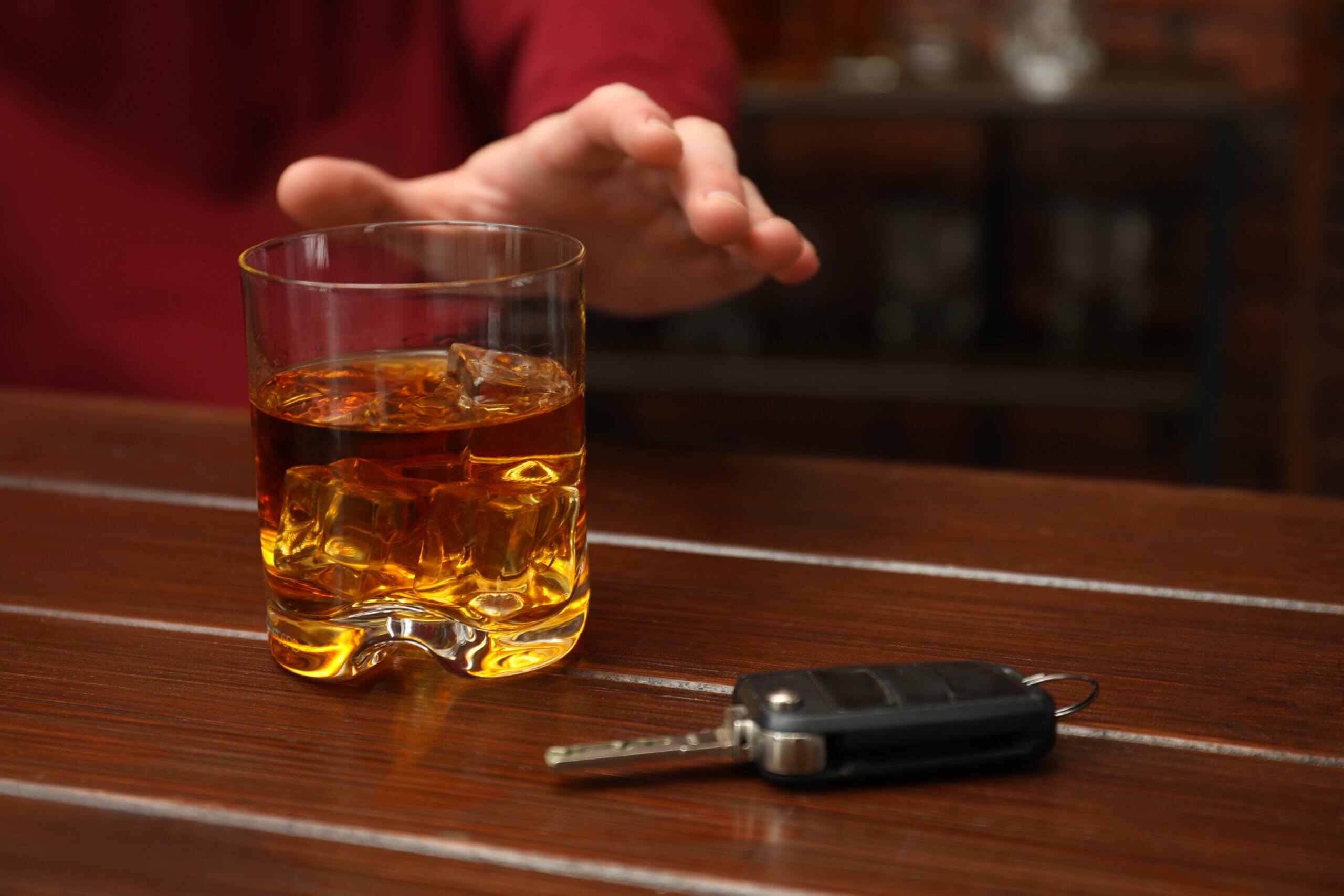
Many people still believe they are safe to drive after a night’s sleep. In reality, alcohol remains in the body far longer than many realise, meaning drivers can still be impaired or even over the legal limit the following morning.
A common guideline is that the body takes around one hour to process one unit of alcohol. However, this can vary significantly depending on factors such as age, weight, gender, food consumption and overall health.
To put this into perspective:
- A typical pint of beer may contain around three units of alcohol.
- Several drinks consumed over the course of an evening can take many hours to leave the body.
- Drinking late into the night means alcohol may still be affecting driving ability the next morning.
The added risk of fatigue
This year’s tournament introduces another challenge: tiredness.
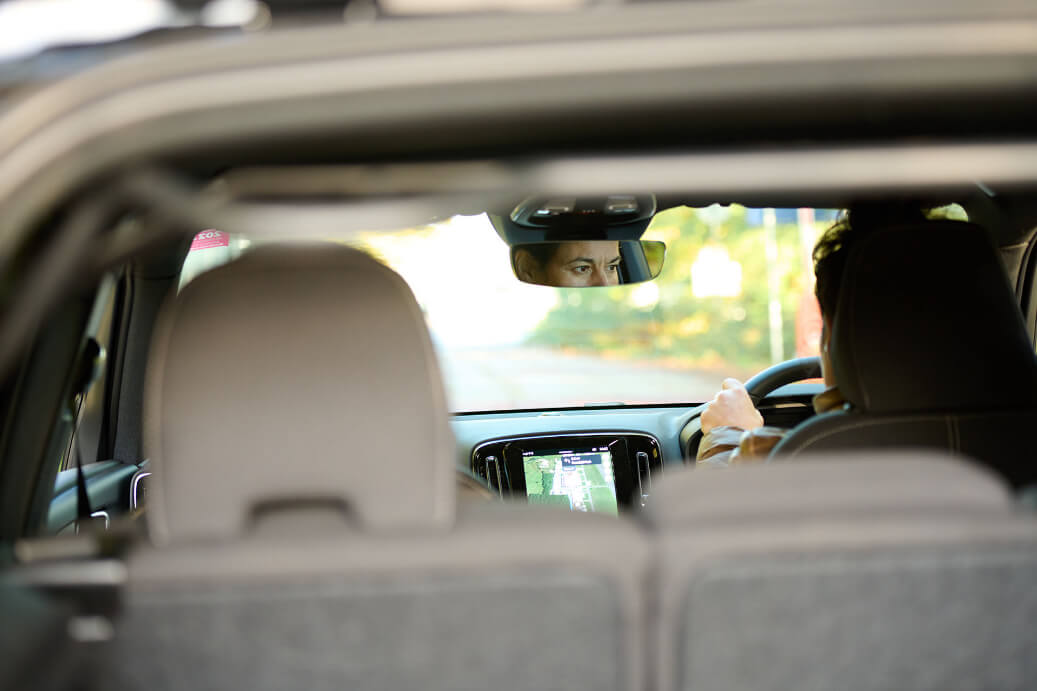
Late-night kick-offs, extra-time thrillers and celebrations that continue long after the final whistle may leave many employees running on very little sleep before getting behind the wheel for work the next day.
Fatigue has been linked to slower reaction times, reduced concentration, impaired judgement and increased collision risk. In many ways, driving while tired can be as dangerous as driving under the influence of alcohol.
When alcohol and fatigue combine, the risk increases even further.
Why employers should be concerned around the world cup
If employees drive for work, whether in company vehicles, grey fleet vehicles or as part of their daily duties, employers have a responsibility to manage road risk.
The consequences of an alcohol or fatigue-related incident can be significant:
- Serious injuries or fatalities
- Vehicle damage and downtime
- Increased insurance premiums
- Legal and regulatory consequences
- Reputational damage
- Potential corporate liability
A simple reminder email may help, but awareness alone is not always enough.
Helping drivers make better decisions
Effective driver safety training can help employees understand:
- How alcohol affects driving performance
- Why “the morning after” can still present a risk
- The dangers of driving while tired
- How to assess whether they are genuinely fit to drive
- The legal, personal and professional consequences of impairment
By helping drivers understand the science behind alcohol impairment and fatigue, employers can encourage safer decisions both during the World Cup and throughout the year.
A timely reminder for the world cup
The World Cup should be a time for excitement, celebration and enjoying the game.
But with late-night matches, longer drinking sessions and early starts the next morning, employers have an opportunity to reinforce an important message:
Being fit to drive is about more than whether you’ve stopped drinking. It’s about whether alcohol or fatigue could still be affecting your ability to drive safely.
As the tournament approaches, now is the perfect time to ensure your workforce understands the risks and knows how to make safe choices behind the wheel.
Support your workforce with driver impairment training
TTC’s Impairment Through Drugs & Alcohol eLearning module helps employees understand the impact of alcohol and drugs on driving ability, recognise when they may not be fit to drive, and appreciate the consequences of impaired driving.
For an even stronger message, organisations can also add TTC’s The Morning After mini-module, which demonstrates how impairment can continue long after drinking has stopped.
To discuss training options for your workforce, contact the TTC team today.