Saving lives with safer roads
Road casualties fall in 2024 but competence-driven driver training is more essential than ever
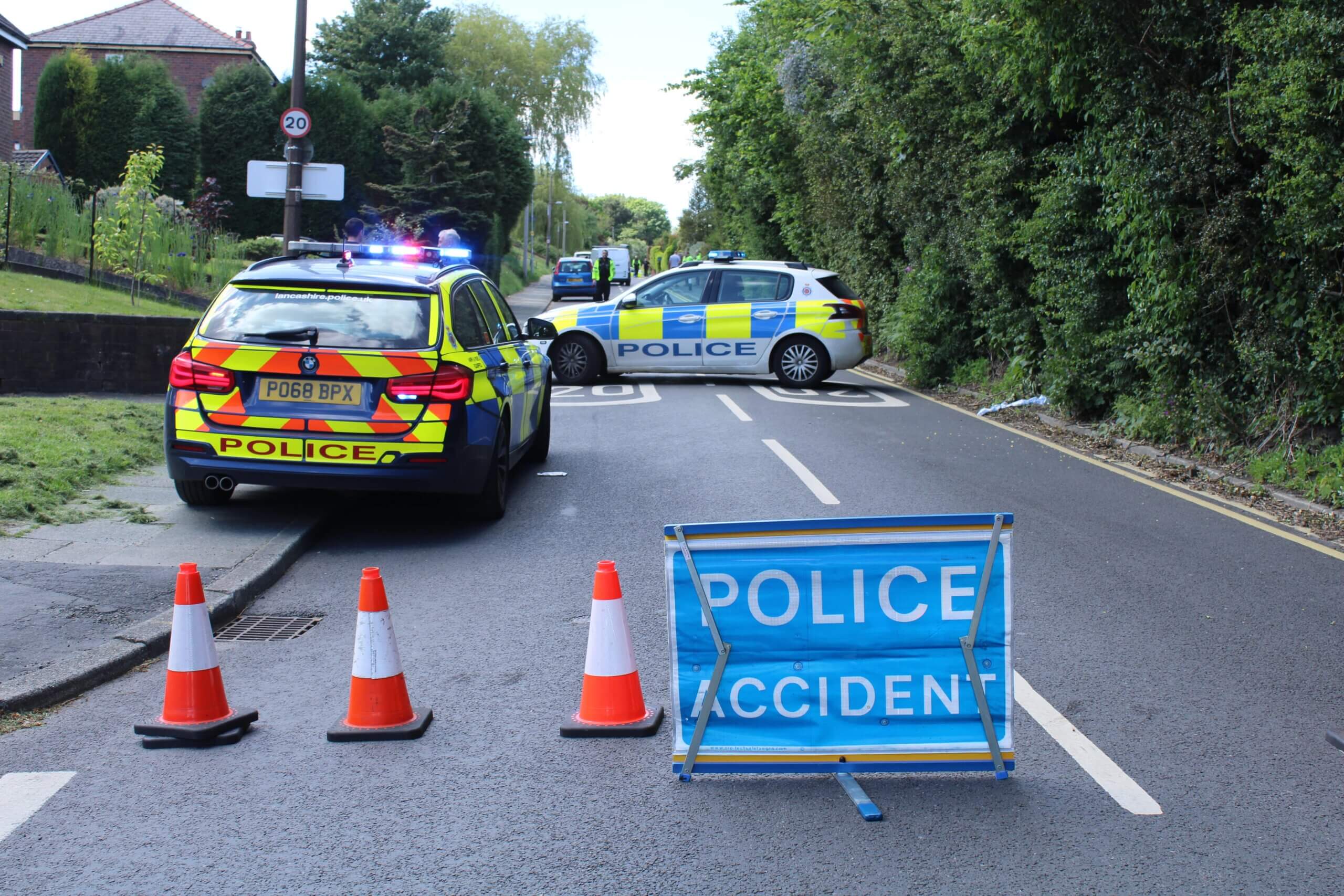
Department for Transport (DfT) figures for 2024 reveal a welcome decline in road casualties across Great Britain. This trend reinforces what TTC Group has long advocated, that effective driver risk management and high-quality training save lives.
The fall in road fatalities and casualties between 2023 and 2024 continues a long-term downward trend, and while the drop is small, it is certainly meaningful. There were 1% fewer fatalities (those Killed or Seriously Injured) and there was a 4% drop in casualties of all severities. And this decline in numbers came at a time when vehicle miles travelled returned to pre-pandemic mobility levels.
For fleet-operating businesses, this data is reassuring. By investing in driver competence training, however, businesses can protect their organisational reputation, reduce operational risk, strengthen compliance and competence, and importantly play their part in safeguarding all road users to help lower road casualties still further.
There’s no room for complacency in road casualties
A closer look at the DfT statistics reveal some interesting insights for fleet-based drivers, navigating Great Britain’s network of motorways and rural roads, tackling congestion, and driving alongside high-risk road user groups.
Most road casualties in 2024 were car occupants, but motorcyclists were actually the most at risk when distance travelled is considered. Per billion miles, they were more likely to be injured than anyone using another type of transport. Meanwhile 26% of fatalities were pedestrians and 5% of those killed were cyclists. Very few other road users are killed in collisions involving pedestrians or cyclists and these higher rates reflect the fact that vulnerable road users are more likely to be killed or injured when hit by a vehicle.
Despite the fall in road casualties, the DfT figures also demonstrate room for improving safe driving techniques. Speed was a factor in 59% of fatal collisions in 2024, over half (52%) involved behaviour or inexperience and in over a third of fatal collisions distraction or impairment was an issue. Despite the narrative from road safety organisations like Brake drivers continue to go too fast, demonstrate inexperience on the road and get distracted when they are behind the wheel.
While it is positive news that long term improvements in road safety continue, the DfT figures serve as a reminder to businesses operating fleets, that risk persists, especially among more vulnerable road users and complacency is not an option.
Training must go beyond compliance
So why are drivers still risking their own lives and the lives of other road users? Too often, businesses view driver training as a tick-box exercise, something to be completed to meet legal or insurance requirements. But business fleets face daily exposure to risk, and compliance alone does not equip drivers to anticipate hazards, manage pressure, or make safe decisions at speed.
Decades of driver training experience reinforces that competence, not just compliance, is the foundation of safe driving. When road users are better trained, informed, and supported, collisions fall and lives are saved. Indeed, TTC’s work with fleet operators consistently demonstrates that when businesses invest in skill-building rather than box-ticking, incident rates fall. Not only this, but claims and insurance costs reduce, fleet vehicles are protected and corporate reputational risk decreases. Perhaps one of the most satisfying results of improving driver skills is that drivers become proactive ambassadors for road safety, helping educate others.
The national casualty data reinforces the need for driver competence, after all, safer roads do not happen by accident. They are helped by continuous learning, behavioural insight, and driver development.
A safer nation needs safer fleets to cut road casualties
Businesses operating fleets play an essential role in Britain’s wider road safety ecosystem. Fleet vehicles collectively cover millions of miles each year, driving alongside vulnerable road users and forming a sizeable proportion of traffic flow. With fleet drivers spending far more time on the road than the average private motorist, the impact of improving driver competence is multiplied. Every driver trained and risk reduced can contribute to the safer roads.
TTC’s driver risk management solutions are designed to create confident, responsible drivers who understand far more than the rules of the road. Our training programmes focus on nurturing behavioural change and creating real-world hazard perception techniques and defensive driving skills, all tailored to different road environments. Importantly, this training is backed up with digital tools that help drivers continuously assess and improve their competence and data-led insights that allow employers to monitor risk across their fleet.
As Great Britain continues to reduce its road casualty numbers, fleet-operating businesses have the opportunity, and responsibility, to accelerate this progress.