
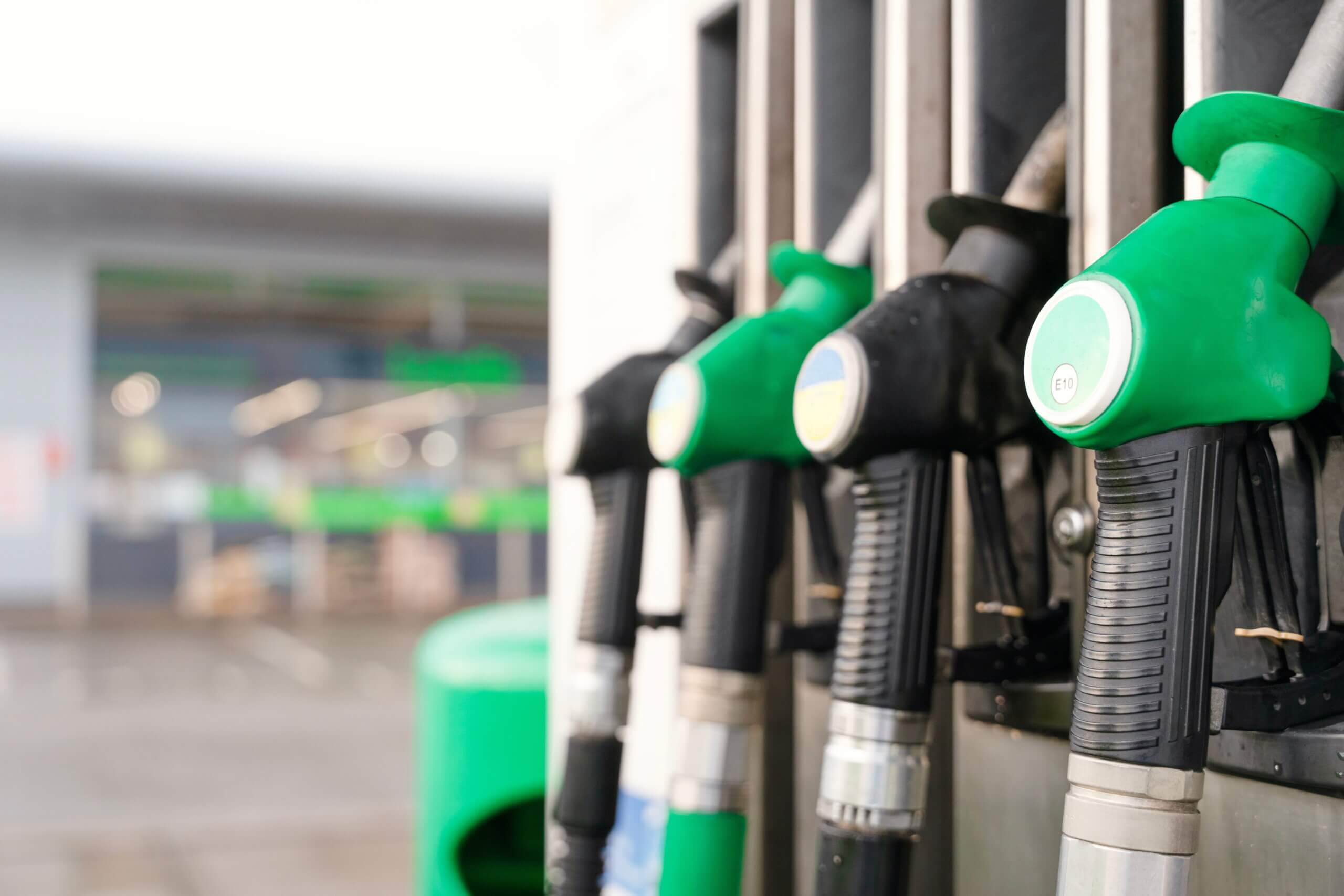
Fuel costs have always been sensitive to global market conditions, and recent fluctuations have once again highlighted just how unpredictable they can be. Changes in oil production, supply levels, and economic pressures can quickly impact prices, with the effects felt almost immediately, especially at the pump.
For businesses and everyday drivers alike, rising fuel costs aren’t just an inconvenience; they’re a direct hit to budgets, operations, and long-term planning. But while the causes may be beyond our control, how we respond is not.
Why fuel costs are rising
Fuel prices are influenced by a complex mix of global supply and demand, production levels, economic conditions, and environmental policies. Even small imbalances in supply or shifts in demand can push prices upward.
With these factors constantly evolving, it’s not uncommon for fuel costs to rise quickly and remain elevated for extended periods.
What this means for drivers
For individual drivers, higher fuel prices mean increased daily expenses. For businesses with fleets or employees who drive for work, the impact is even greater:
- Increased operational costs
- Pressure on margins
- More scrutiny on driver efficiency and behaviour
This is why now, more than ever, adopting eco-friendly driving habits isn’t just good for the environment, it’s essential for cost control.
Eco-friendly driving: small changes, big impact on fuel costs
Eco-driving isn’t about drastic lifestyle changes. It’s about smarter habits behind the wheel that reduce fuel consumption and improve safety.
Here are some practical steps drivers can take:
1. Drive Smoothly
Avoid harsh acceleration and braking. Maintaining a steady speed can significantly reduce fuel usage.
2. Reduce Idling
Leaving the engine running unnecessarily wastes fuel. Turning off the engine when parked, even briefly, can make a difference.
3. Check Tyre Pressure
Under-inflated tyres increase rolling resistance, meaning your vehicle uses more fuel to move.
4. Lighten the Load
Extra weight in your vehicle leads to higher fuel consumption. Remove unnecessary items where possible.
5. Plan Your Routes
Avoid congestion and unnecessary detours. Efficient route planning saves both time and fuel.
6. Use Higher Gears Efficiently
Driving in the correct gear helps keep engine revs low and fuel efficiency high.
For Employers: Supporting Smarter Driving at Scale
If your business relies on drivers, whether it’s a fleet, grey fleet, or occasional business travel, fuel efficiency should be a strategic priority.
Encouraging eco-driving isn’t just about guidance; it’s about visibility, accountability, and ongoing improvement. Employers can:
- Monitor driver behaviour
- Identify high-risk or inefficient driving patterns
- Provide targeted training
- Ensure compliance with safety standards
But managing all of this manually can quickly become overwhelming.
Bringing it all together with smarter training
Managing driver efficiency and safety doesn’t have to be complex. With the right tools in place, businesses can take a more proactive approach, reducing fuel costs while improving driver behaviour.
One of the most effective ways to achieve this is through targeted, practical training.
TTC’s Eco-Safe Driving eLearning module is designed to help drivers build simple, fuel-efficient habits that make an immediate impact. Covering key techniques such as smooth acceleration, reducing idling, and better route awareness, the module focuses on real-world behaviours that directly influence fuel consumption and safety.
The training is delivered in bite-sized, easy-to-follow sessions, making it simple for drivers to complete around their working day without disruption. It’s engaging, practical, and built to drive lasting behavioural change not just tick a compliance box.
For organisations, it’s a straightforward way to support drivers, improve efficiency, and reduce operational costs at scale.
And with the module currently available at a significantly reduced rate of just £2.45 per driver, there’s never been a better time to invest in smarter, more efficient driving. Find out more here!
The road ahead
Rising fuel costs may be driven by external factors, but businesses and drivers have the power to respond intelligently. By combining eco-friendly driving habits with smart technology, organisations can reduce costs, improve safety, and build resilience.
Because in today’s environment, efficiency isn’t just an advantage, it’s essential.